Last Friday, I found myself in the sitting area of a high‑brow hotel in Lagos, waiting to transit to my next meeting. As I settled in, I noticed one of the most influential federal ministers from the previous administration seated just a few steps away.
Clad in a flowing white Agbada, he looked regal yet unassuming. No security detail. No pressmen. No citizens eager for selfies or handshakes. Just a man alone — a stark contrast to what would have happened a few years ago, when the same figure could barely move through an airport without being surrounded by admirers and aides.
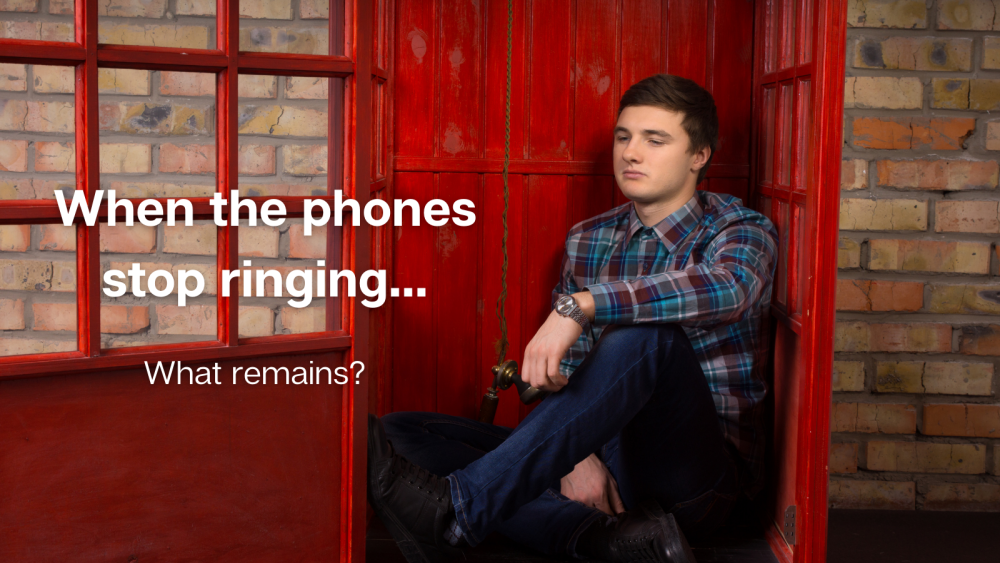
Watching him, I was reminded of a story I once read. His phones used to ring endlessly — calls, emails, social‑media pings from dawn to dusk. But after the election, everything changed. One day he realised his phone hadn’t rung at all. He even checked if it was broken. It wasn’t. It was just… silent.
The lesson hits hard: many see you not for who you are, but for the office you hold. Once that office is gone, the calls stop. The attention fades. The world moves on.
Yet so many leaders act as if their titles are permanent. They carry themselves like gods. They forget: titles are transient. The years outside office will always outnumber the years within.
Courage and decisiveness may define effective leadership today — but humility, fairness and empathy are what sustain a legacy when the phones stop ringing.
So I ask you:
When the phones stop ringing, what will remain of your leadership?
And looking ahead: As a leader, what will you do differently in 2026?
If you’d like to explore how to build lasting leadership rooted in authenticity and purpose, now is the time! You can book a session with me on Mentaa.