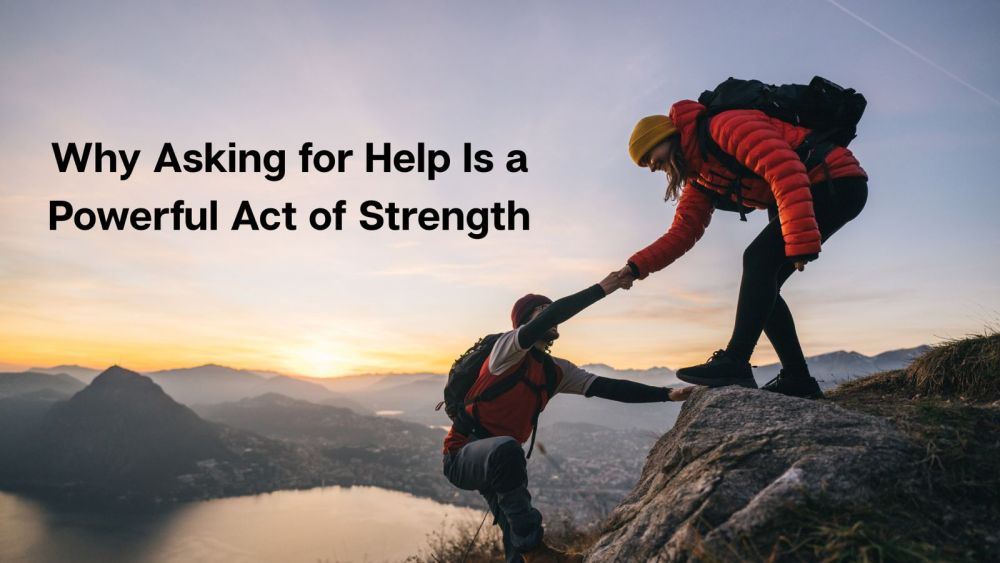
Reaching out for help is one of the most courageous choices we can make. Yet many people hesitate, not because they are incapable, but because they have absorbed messages that make support-seeking feel uncomfortable. The good news? More research than ever shows that asking for help leads to healthier, happier, and more resilient lives.
1. We are Wired for Connection
According to the World Health Organization, social support is a key factor in emotional wellbeing and life satisfaction. Humans are not built to navigate challenges alone. When we seek help, we are actually aligning with our natural design to connect, collaborate, and grow together.
2. Help-Seeking Builds Strength, Not Weakness
Studies in the Journal of Counseling Psychology show that people who reach out early experience improved mental clarity, better coping strategies, and faster recovery from stress. Asking for help is not a failure, it is a smart, self-aware step toward thriving.
3. Vulnerability Opens the Door to Growth
Researcher Brené Brown reminds us that vulnerability is the birthplace of courage, learning, and meaningful relationships. When we open up, we create opportunities for deeper understanding, support, and new perspectives. This is how personal transformation begins.
4. Cultural Norms Are Evolving for the Better
While some cultures traditionally emphasized independence, the American Psychological Association notes a positive global shift: people increasingly value community, mental wellbeing, and shared problem-solving. Asking for help is becoming recognized not only as normal, but as essential.
5. Every Positive Experience Reinforces Resilience
Even if someone has faced challenges in the past, new supportive experiences can reshape beliefs. According to the National Institute of Mental Health, consistent, compassionate support strengthens emotional resilience and boosts long-term wellbeing.
6. We All Deserve Support, It is Part of Being Human
Many of us grew up hearing messages about being "strong” by doing everything alone. But real strength lies in knowing when to seek guidance. Support is not a burden. it is a resource. And using it wisely is a sign of confidence and emotional maturity.
Reframing Help as a Path to Empowerment
When we choose to reach out, we open ourselves to learning, relief, clarity, and connection. Asking for help is an investment in ourselves, a reminder that we deserve to feel supported, understood, and uplifted.
And here is the beautiful truth:
Every time someone asks for help, they give others permission to do the same. That is how communities grow stronger, kinder, and more connected.